

Share your coffee stories with us by writing to info@comunicaffe.com.
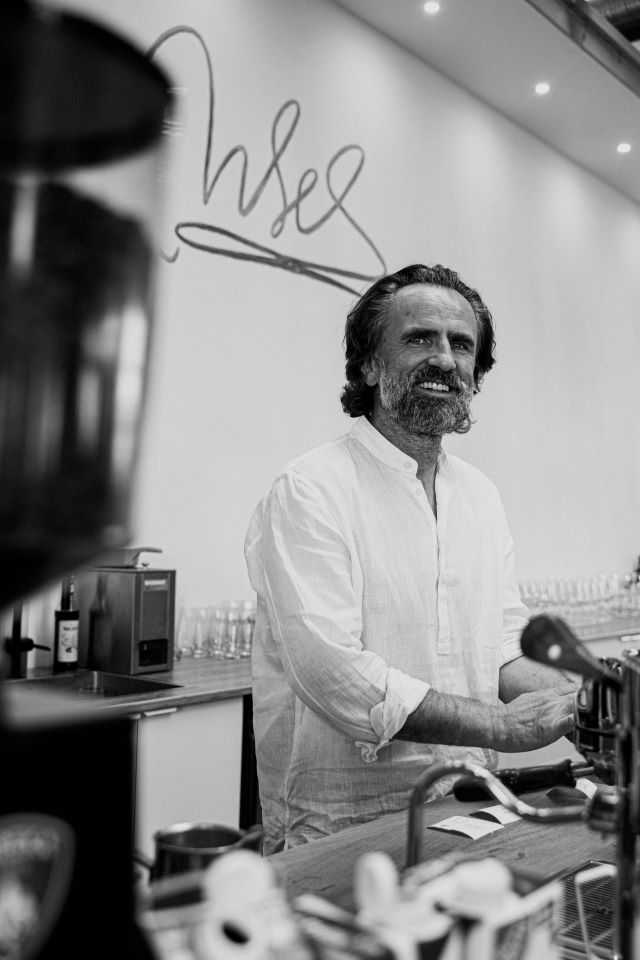
DUSSELDORF – The initiative that Dritan Alsela – he runs three coffee houses in Düsseldorf, he owns a roastery, a barista school, and an online shop, employing 80 people – have adopted for his coffee shop, which has gone viral: “banning” customers from drinking Matcha.
This is undoubtedly a unique stance,which has been the subject of much debate among the entire community of enthusiasts and professionals. Dritan Alsesa agreed to be interviewed to clarify his position regarding Matcha and coffee culture.

Dritan Alsela, his own truth
Your post in which you decided to exclude matcha from your service caused quite a stir: can you explain your position on this product?
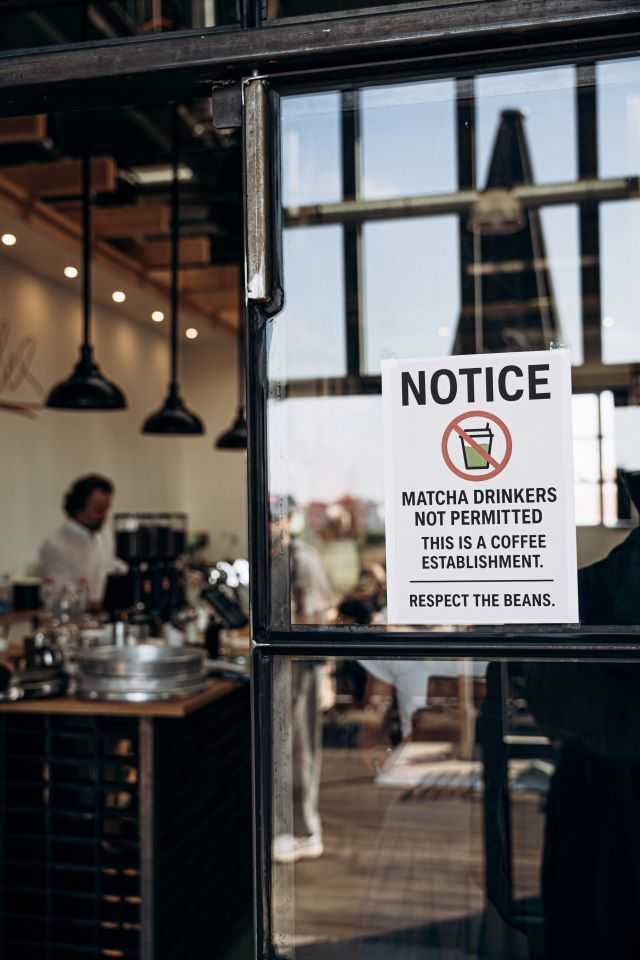
“I have nothing against Matcha itself, and certainly nothing against people who drink it – especially where it is part of culture, like in Japan. But here in Europe, it has turned into pure marketing and lifestyle hype. For me, coffee houses are about coffee. Coffee has hundreds of years of history. It built coffee houses – places where people meet, talk, think, and share ideas. Matcha does not belong in that tradition. That’s why I decided not to offer it in my roastery.”
Can’t matcha coexist with specialty coffee in a specialized coffee shop like yours?
“Of course, I could put it on the menu – but that goes against my philosophy. A roastery is for coffee, not for every trend that comes along. “Coexistence” sounds nice, but in the end, it waters down the concept. I want to stay clear: this is a coffee roastery, not a trend house.”

Isn’t it counterproductive to exclude an ingredient like matcha, which is definitely a trend for coffee shops around the world?
“If you think only in business terms, yes – you could make money with it. But my roastery was never built on trends, it was built on honesty, quality, and clarity. I’d rather lose some customers and stay true to myself than sell out for hype. Coffee houses are not supposed to be “everything houses.”
Why do consumers insist on asking for matcha, given that it often has a less than optimal flavour?
“I think for many people, ordering matcha isn’t only about the flavour – it’s also about the lifestyle it represents. It’s seen as a healthy, modern, and visually appealing drink, and that makes it attractive. Of course, the taste can be challenging or acquired for some, but the cultural and aesthetic value play a big role in its popularity I think.”
Matcha also poses a problem in terms of supply: is it also a responsible choice not to buy it in bulk?
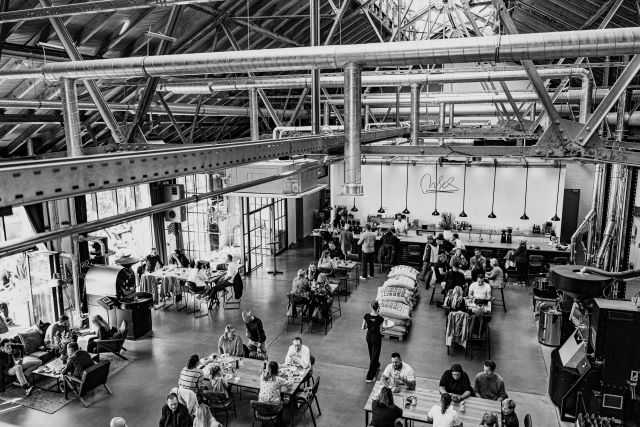
“Yes. I think we have to be careful not to artificially blow up demand and create industries just to feed hype. Coffee already has a huge responsibility in the supply chain – farmers, families, entire communities depend on it. I respect that work. Buying Matcha just to tick a “trend box” would not be authentic, and not responsible.”
Do you have any alternative products to Matcha to diversify your menu?
“Yes – and the alternative is called coffee. Espresso, cappuccino, latte, macchiato – the world of coffee already has endless variety. And if someone insists on something “different,” well… we even offer oat milk. That’s already a big compromise for us, and our version of being flexible.”
How do you see the future of this market? Is it destined to deflate?
“Like every trend: it will rise, it will fade. Maybe it lasts a few years, maybe longer. But coffee stays. Coffee isn’t fashion, coffee is culture. That’s why I don’t waste energy on trends that come and go.”
How closely is matcha linked to the other strong trend in plant-based drinks?
“Yes, Matcha is often mixed with oat, soy, or almond milk – it fits perfectly into the lifestyle image. Plant-based milk I respect: it’s a real consumer choice, and we also offer it in our coffee. But Matcha riding on that wave is just more marketing. And let’s be honest: we already went far enough by putting oat milk on our menu – that’s our big concession.”